Idle games explained for busy players
Idle games keep growing even when you are not playing, which makes them a curious fit for short breaks. This explainer covers how they usually work and how to enjoy them calmly.
What is an idle game?
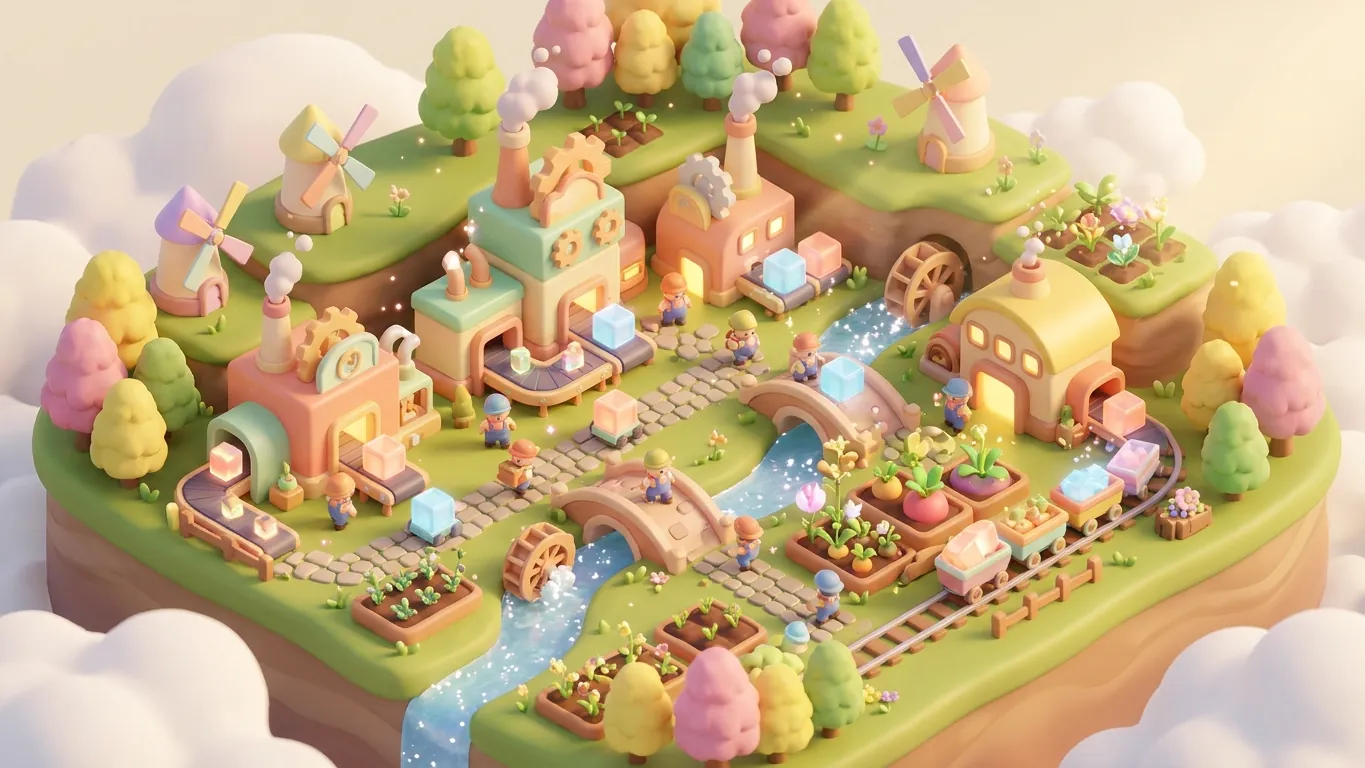
An idle game, sometimes called an incremental game, is built around steady progress that continues with little or no input from you. You might run a small bakery, a mining operation or a magical garden. At first you tap to produce resources, then you spend those resources on helpers or upgrades that keep producing automatically.
The appeal is the feeling of watching something grow. You check in, make a few choices, and come back later to see how far things have come. That rhythm can fit nicely into a day full of short breaks.
The core loop: produce, upgrade, repeat
Most idle games follow a similar loop. You gather a resource, spend it on upgrades that increase how fast you gather, and repeat. Over time, numbers grow larger and new areas or features open up. Many games also include a reset option, sometimes called prestige, where you start over with a permanent bonus that speeds up your next run.
Understanding this loop helps you make sense of the game quickly. In general, upgrades that boost automatic production tend to matter more over time than ones that only improve tapping, though every game balances things differently.
Offline progress and check-ins
Many idle games calculate what you earned while the app was closed and reward it when you return. Some cap this offline progress after a certain period, encouraging you to check in now and then. For break-time players, this can be pleasant: a short visit during lunch can feel productive because your village or factory has grown since the morning.
It can also tempt you to check in more often than you want. If you notice yourself opening the game out of habit rather than enjoyment, it may help to turn off its notifications and choose your own check-in times.
Ads, boosts and purchases
Idle games often offer optional boosts, for example doubling production for a while. These may be unlocked by watching an advertisement or through in-app purchases. Before you start, it is worth reading the game's description to understand how it handles these features.
If you prefer a calm experience, look in the settings for options that limit pop-ups, and remember that boosts are optional. Many players enjoy idle games without ever spending money. If you share a device with younger players, your phone's parental controls can help manage purchases.
Making idle games work for your breaks
Idle games suit people who enjoy planning and gradual progress more than quick reflexes. A good approach is to treat each break as a short visit: collect what you earned, choose one or two upgrades and close the app. There is rarely anything to lose by stepping away, which keeps the experience low pressure.
If you find the growing numbers satisfying, idle games can be a relaxing companion during a busy day. If they start to feel like a chore, it is perfectly fine to take a break from them or try a different genre.
Related articles
 Why break games should feel pressure-free
An opinion piece on why the best mobile break games let you stop easily, keep pop-ups and reminders gentle and respect your time and choices.
Read more
 Quick arcade games: basics for short sessions
A beginner-friendly look at quick mobile arcade games, including endless runners, tap-timing challenges and simple tips for improving in short sessions.
Read more
 Building a small rotation of break games
Why a small rotation of three or four short mobile games can keep breaks fresh, and how to build one around your moods, schedule and interests.
Read more