A beginner's guide to five-minute puzzle games
Puzzle games are one of the most natural fits for a short break. This guide walks through the main types of quick puzzles and shares simple ways to enjoy them as a newcomer.
Why puzzles suit short breaks so well
Puzzle games ask you to think rather than react quickly, and most of them wait patiently while you decide on your next move. That makes them easy to pause, easy to resume and pleasant to play in short bursts. Each puzzle also has a clear goal, so finishing one gives a small, tidy sense of accomplishment.
Another nice thing is variety. Some puzzles are relaxing and almost meditative, while others give your brain a small workout. You can pick the style that matches your mood: something gentle after a busy meeting, or something a little more challenging when you want to feel focused.
Tile-matching and connecting puzzles
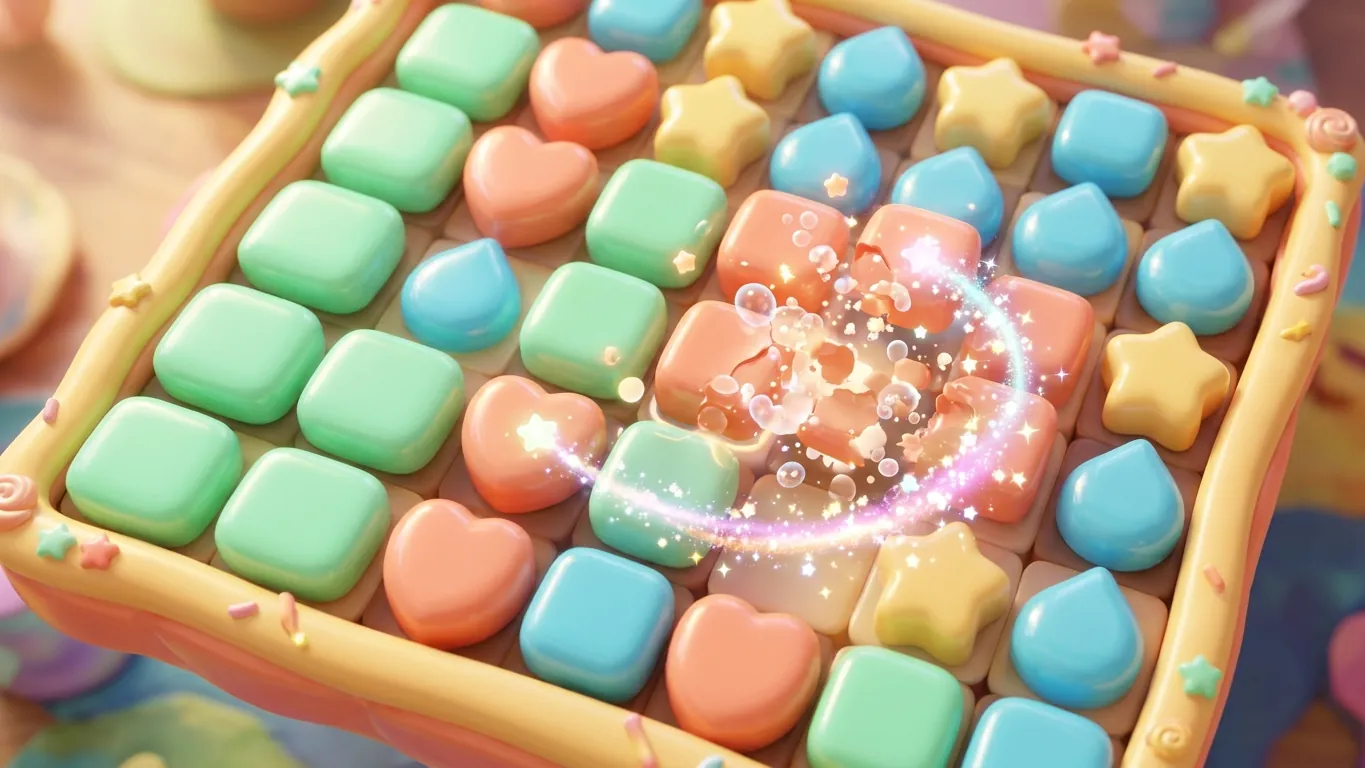
Tile-matching games ask you to swap, tap or connect pieces of the same color or shape. When enough matching pieces line up, they disappear and new ones fall into place. Levels usually have a goal, such as clearing certain tiles or reaching a score within a limited number of moves.
For beginners, a helpful habit is to look at the bottom of the board first. Matches near the bottom cause pieces above to shift, which can create extra matches on their own. It is also worth pausing for a moment before each move instead of tapping the first match you see. Since most of these games are turn-based, there is no rush.
Logic grids and number puzzles
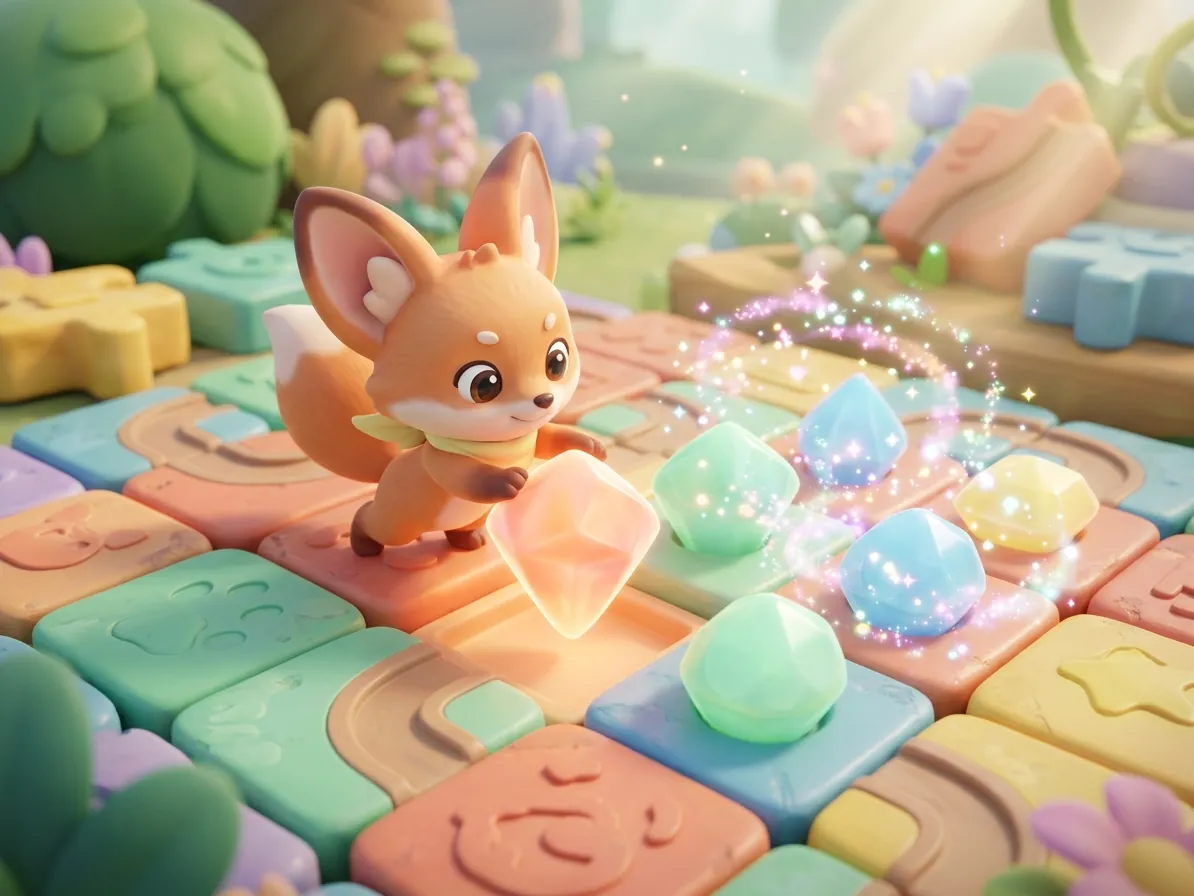
Logic puzzles include number-placement grids, line-drawing puzzles and picture puzzles where you fill in squares based on clues. They rely on reasoning rather than luck, and each one has a single solution waiting to be found. Many offer difficulty settings, so you can start with small grids and work up to larger ones.
If you get stuck, try looking for the most constrained spot on the board, the place where only one option is possible. Filling that in often unlocks the next step. Many logic games also let you leave a puzzle half-finished and return later, which is ideal when a break ends unexpectedly.
Word games and sliding puzzles
Word games ask you to form words from letter tiles, guess a hidden word or fill in a small crossword. They are a great choice if you enjoy language, and a single round is often very short. Sliding and physics puzzles, on the other hand, ask you to move blocks, tilt platforms or guide a ball to an exit. They tend to be visual and playful, and many have bite-sized levels.
Trying one of each style is a good way to discover what you enjoy most. Some people find word games calming, while others prefer the hands-on feeling of moving objects around.
Getting started in five easy steps
Here is a simple way to begin with puzzle games for your breaks.
- 01
Pick one style
Choose a single puzzle type that sounds fun, such as matching, logic or words.
- 02
Play the tutorial
Let the first few levels teach you the rules at your own pace.
- 03
Check the settings
Turn off reminders you do not need and adjust sound for public places.
- 04
Decide on a round count
Before you start, choose how many puzzles fit your break.
- 05
Stop on a solved puzzle
Finish on a completed level so the break ends on a satisfying note.
Related articles
 One-thumb games for commutes and queues
Tips for enjoying one-thumb mobile games while commuting or waiting in line, including control styles, comfort, sound settings and safe stopping.
Read more
 Balanced habits for gaming during short breaks
Friendly ideas for keeping mobile game breaks refreshing: setting time limits, resting your eyes, mindful posture and knowing when to put the phone down.
Read more
 Offline mobile games for breaks without signal
Learn how to find and prepare offline-friendly mobile games for breaks without signal, from checking descriptions to saving progress and data use.
Read more